Mention “salvage yard parts” to most car owners and they picture a muddy field, a teenager with a wrench, and a part dragged out of a rusted hulk that sat in the rain for eight years. That picture is about twenty years out of date.
Modern automotive salvage is a data-driven, systematically managed industry. And for buyers who understand how it works, it represents the best available source for genuine OEM quality at realistic prices.
How Modern Salvage Sourcing Works
Professional salvage operations today source vehicles primarily from insurance write-offs. These are vehicles declared total losses not because they were mechanically destroyed, but because repair costs exceeded a threshold percentage of the vehicle’s market value — often 70-80%.
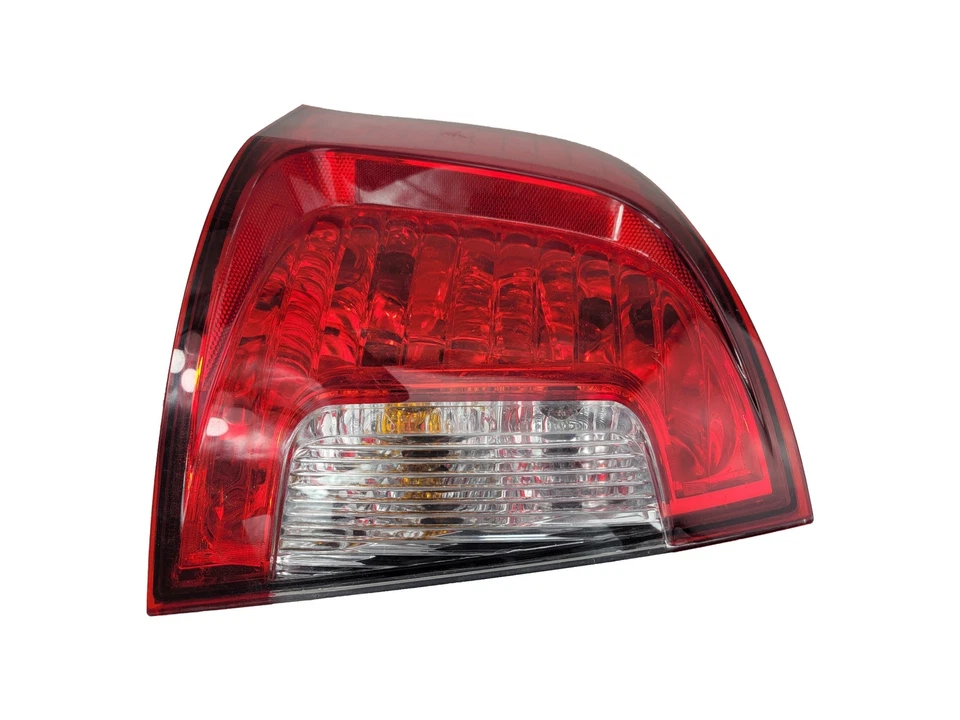
A 2020 Honda Accord written off after a front-end collision may have a structurally compromised chassis and a destroyed engine bay. Its climate control module, rear tail light assemblies, fuse box, steering column switches, and interior electronics are frequently untouched and in factory condition. They were never damaged. They were never worn. They simply became economically inaccessible once the vehicle was declared a total loss.
That’s what professional salvage suppliers source: the intact, undamaged components from vehicles whose overall repair cost was too high to justify — not the wreckage of vehicles that were run into the ground.
The Inspection Standard That Changes Everything
The difference between a reputable salvage parts supplier and a backyard operation is systematic inspection. At Manvicon, every electronic component is function-tested before it enters our inventory. We verify operation, check for fault codes, and confirm physical condition against OEM tolerances.
A part that passes our inspection process has demonstrated that it works. Not that it looks okay. Not that it came from a vehicle that ran. That it works — under the same test conditions used to validate OEM production output.
The VIN Matching Advantage
Because professional salvage suppliers work with complete vehicles, they can provide build-specific compatibility data that generic aftermarket suppliers cannot. We know the exact vehicle a part came from. We know its production date, its option codes, its engine specification. That data is how we confirm fitment before dispatch.
For complex electronic components where year-specific or build-specific variants exist, this matters enormously. Browse our inventory by vehicle make and model to see fitment-verified listings.
The Environmental Case
Manufacturing a new automotive component carries a significant carbon footprint. Raw material extraction, smelting, machining, coating, packaging, and global shipping all add up. A salvage-sourced OEM part bypasses that entire chain. The embodied energy from original manufacture is already spent. Reusing the component captures that value rather than discarding it.
For every salvage OEM part that replaces an aftermarket new-manufacture equivalent, there’s a measurable reduction in manufacturing demand and landfill contribution.
What to Look for in a Salvage Parts Supplier
- Function testing on electronic components — not just visual inspection
- VIN-level fitment verification — not just year/make/model
- Clear returns policy — a supplier confident in their quality offers returns
- Condition grading — transparent description of any cosmetic or functional limitations
- OEM part number confirmation — so you can verify exactly what you’re getting
That’s the standard Manvicon operates to. Browse our full OEM parts inventory — every component sourced, inspected, and dispatched to that standard.